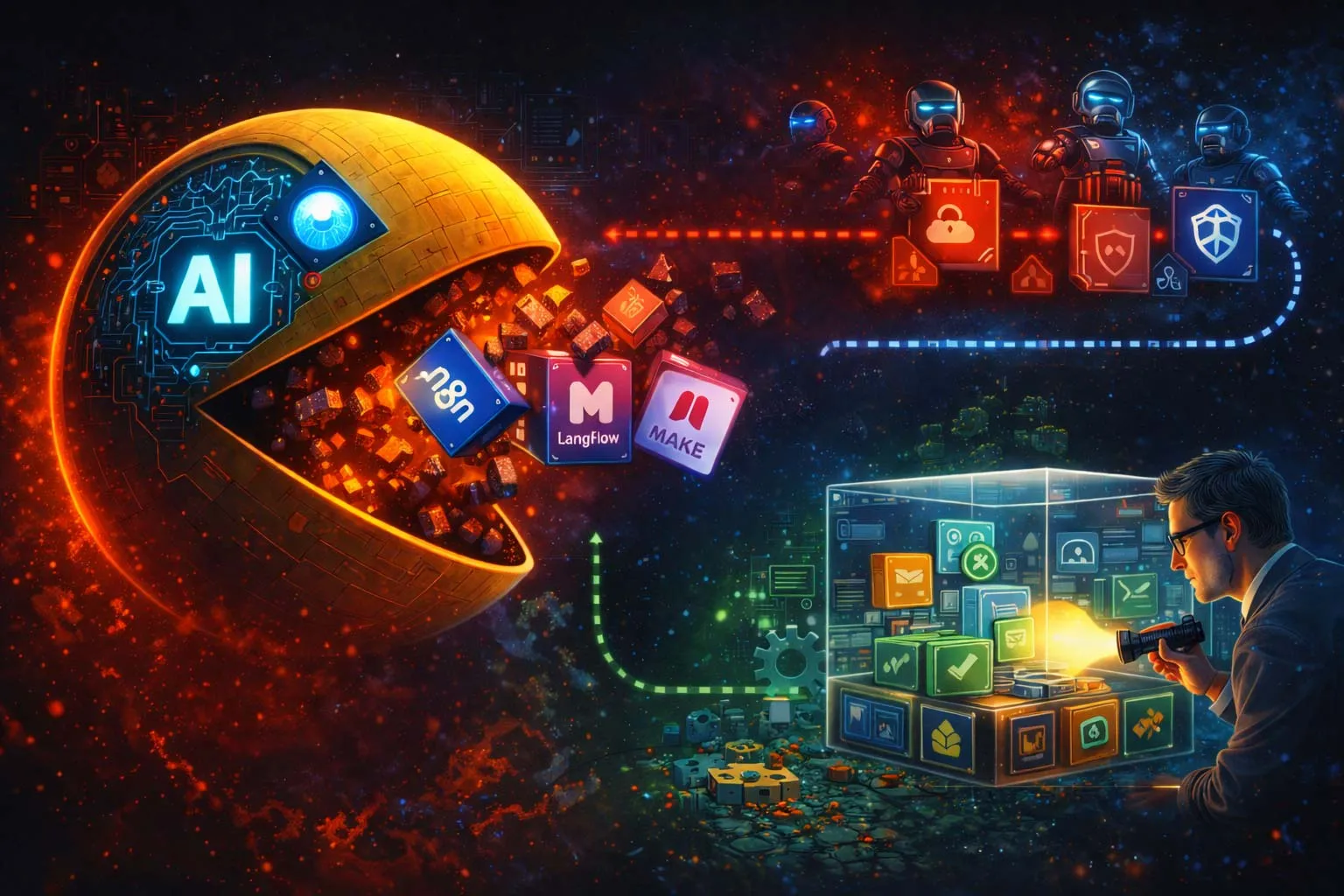
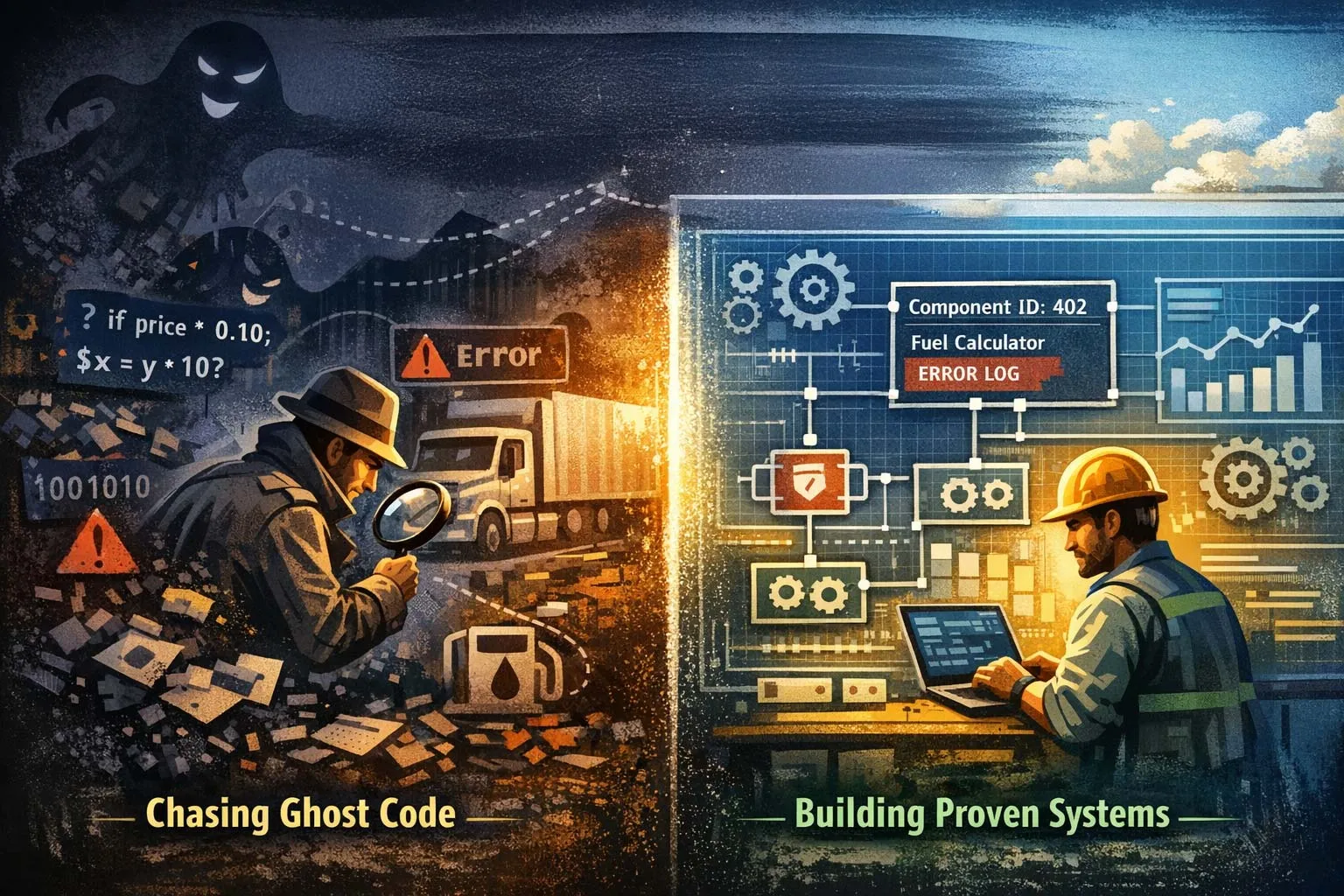
We are currently living through the gold rush of generative AI. Developers are moving at breakneck speed, using "vibe coding" to prompt their way into complex features and automated agents. It feels like the ultimate shortcut, but for the legal and compliance departments, it is starting to look like a nightmare. As governments around the world roll out frameworks like the EU AI Act and the NIST AI Risk Management Framework, the era of "just trust the model" is coming to an abrupt and expensive end.
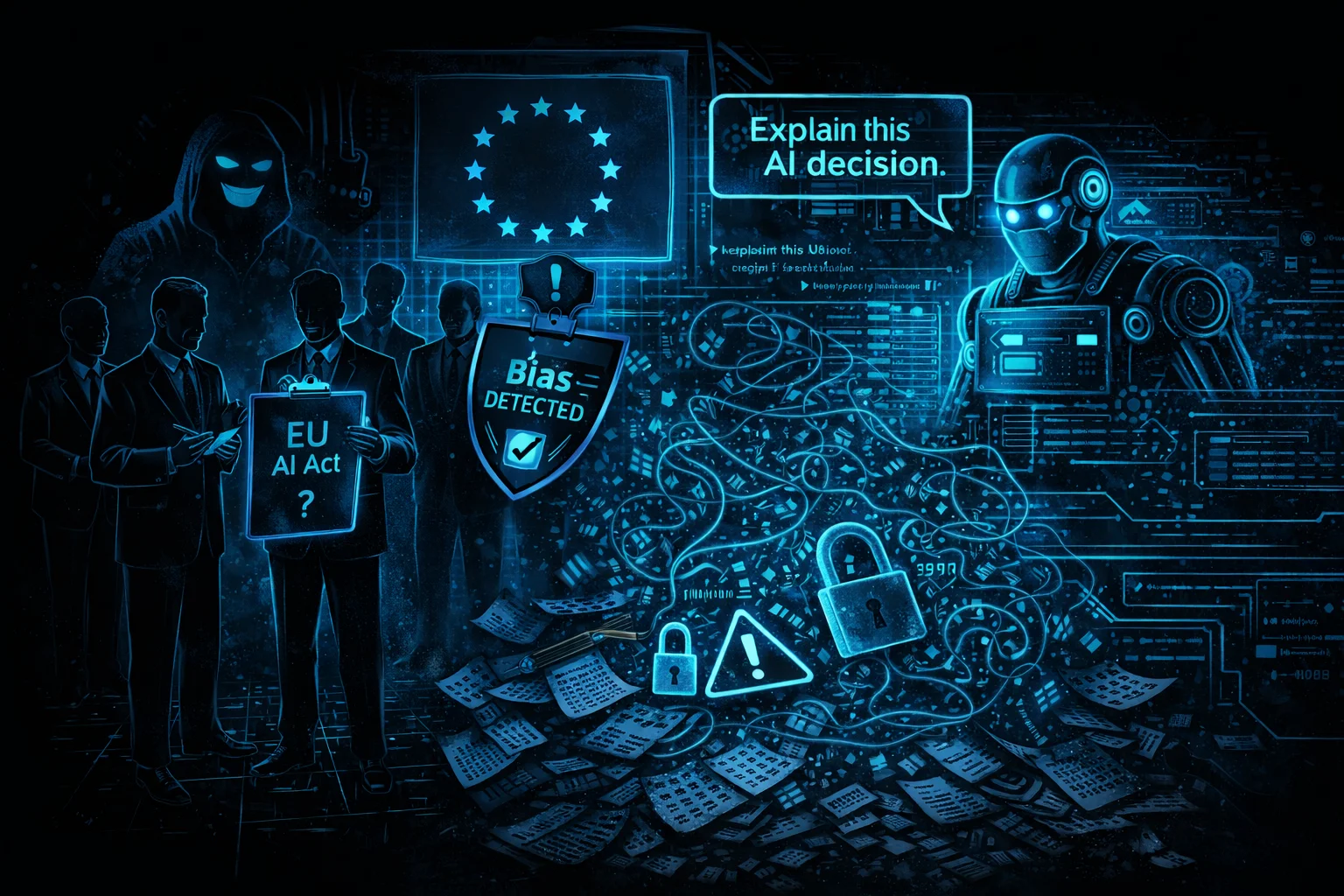
The core of the new regulatory world is a concept called Explainable AI. Regulators are no longer satisfied with knowing what an AI did. They want to know exactly how and why it did it.
When you use vibe coding, you often end up with a massive, 500-line block of generated code. To the model, this is just a high-probability sequence of characters. To your developer, it is a feature that works. But to a regulator, it is a "black box." So to your legal team it is a serious liability.
If that code contains a subtle bias, a security vulnerability, or a logic error that violates consumer protection laws, you have no way to explain the decision-making process. You cannot point to a specific design requirement or a vetted logic gate. You are essentially telling a government auditor that you have outsourced your corporate logic to a probabilistic guessing machine. In a court of law, "the AI wrote it" is not a defense; it is an admission of a lack of oversight.
To understand the stakes, imagine a multinational financial services firm using an AI agent to automate mortgage approvals across Europe. The developers vibe coded a complex set of scripts to analyze thousands of data points and determine creditworthiness. It is fast, efficient, and the "vibe" is that it is making the bank more profitable.
Six months later, the European Commission launches an investigation after a whistleblower suggests the AI is unfairly denying loans to people living in specific postal codes. Under the EU AI Act, this is classified as a "High-Risk" AI system. The regulators demand a detailed explanation of the logic used to reach these decisions.
The bank’s legal team turns to the engineering department, but all they have is a massive, generated code blob. No one can pinpoint which lines of code created the bias because the code was never "designed" by a human; it was "vibed" into existence. Because the firm cannot provide an explainable analysis of the impact of the code, an audit trail, or even a clear bill of materials for the agent, they face fines of up to seven percent of their total global turnover. Even worse, the regulator issues an immediate injunction, forcing the bank to shut down its automated lending platform overnight. The loss of market share and the damage to the brand are catastrophic, not to mention destroying their profits for this year.
This is why the industry is moving toward vibe assembly. Instead of generating a black box of code, you build your agents using a catalog of pre-approved, deterministic components.
In an assembly model, you aren't guessing. You are using building blocks that have already been through a security review. When a regulator asks how your hiring agent or your lending tool works, you can show them a literal blueprint. You can point to the "Credit Score Processor" component and the "Identity Verifier" component. You can show the exact logical flow of how they are wired together.
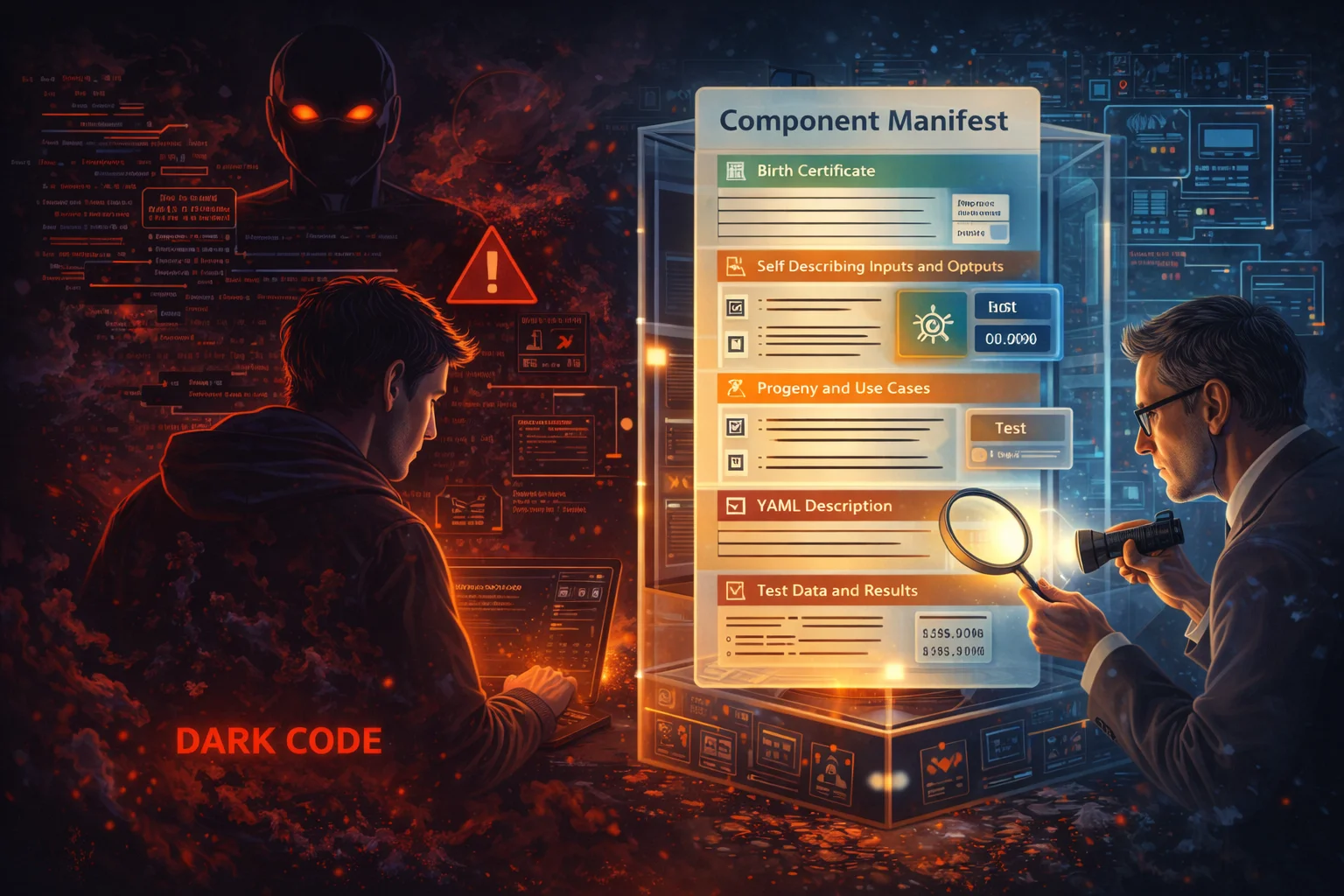
By using an Agent Bill of Materials (ABOM), you gain a manifest of every single piece of logic in your system. This isn't just a technical preference; it is a legal shield. You are moving from a world of "it just works" to a world of "we know exactly why it works."
The deficiency of vibe coding is that it prioritizes speed over sovereignty. It leaves your company vulnerable to the shifting sands of global regulation. On the other hand, assembly uses a catalog of pre-approved components to turn your AI from a liability into a defensible asset.
By adopting an assembly model, you satisfy the explainability requirements of the EU AI Act and NIST from day one. You give your legal team the documentation they demand and your SecOps team the visibility they crave. In the end, the companies that win won't just be the ones with the fastest AI. They will be the ones who can actually prove their AI is safe, fair, and fully under their control.
How would your compliance team react if you showed them a complete blueprint for every AI action your company takes?
Like what you see? Share it with your friends.