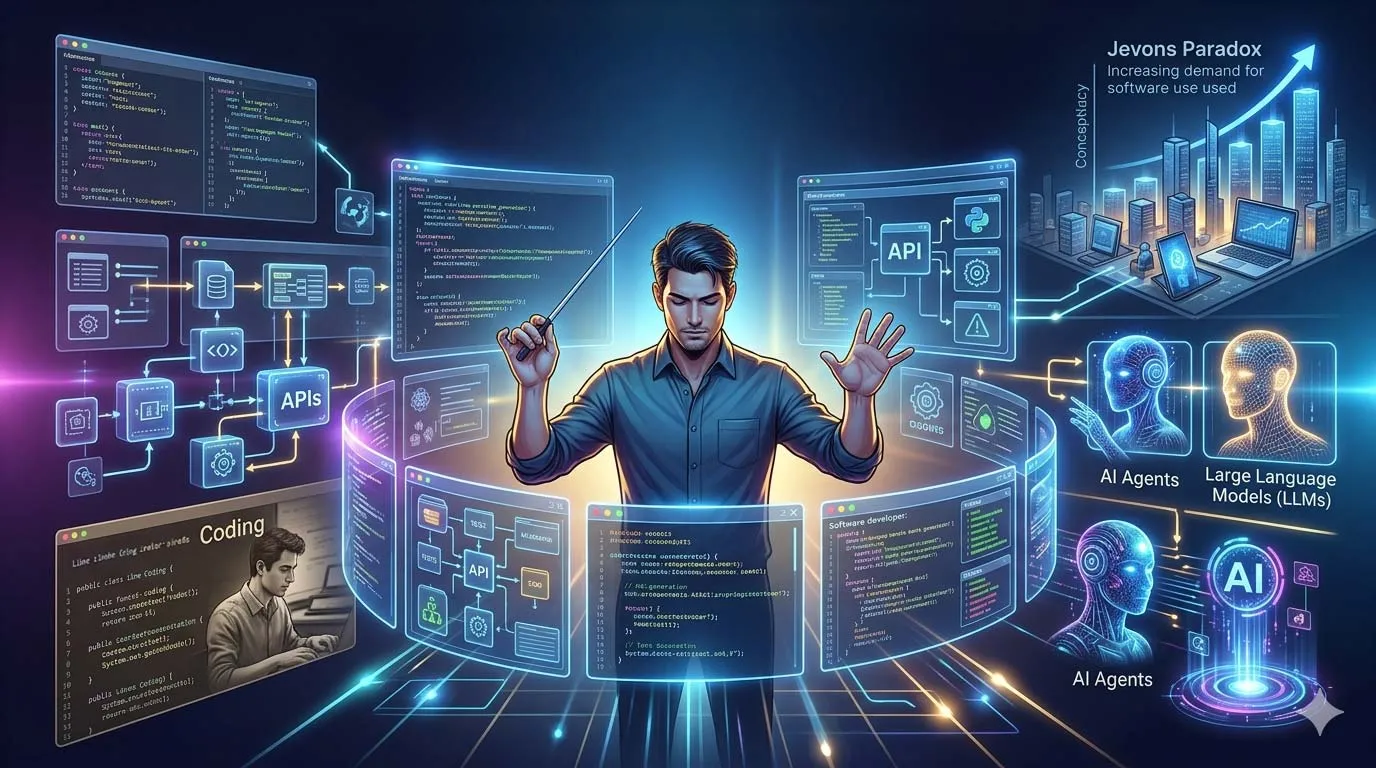
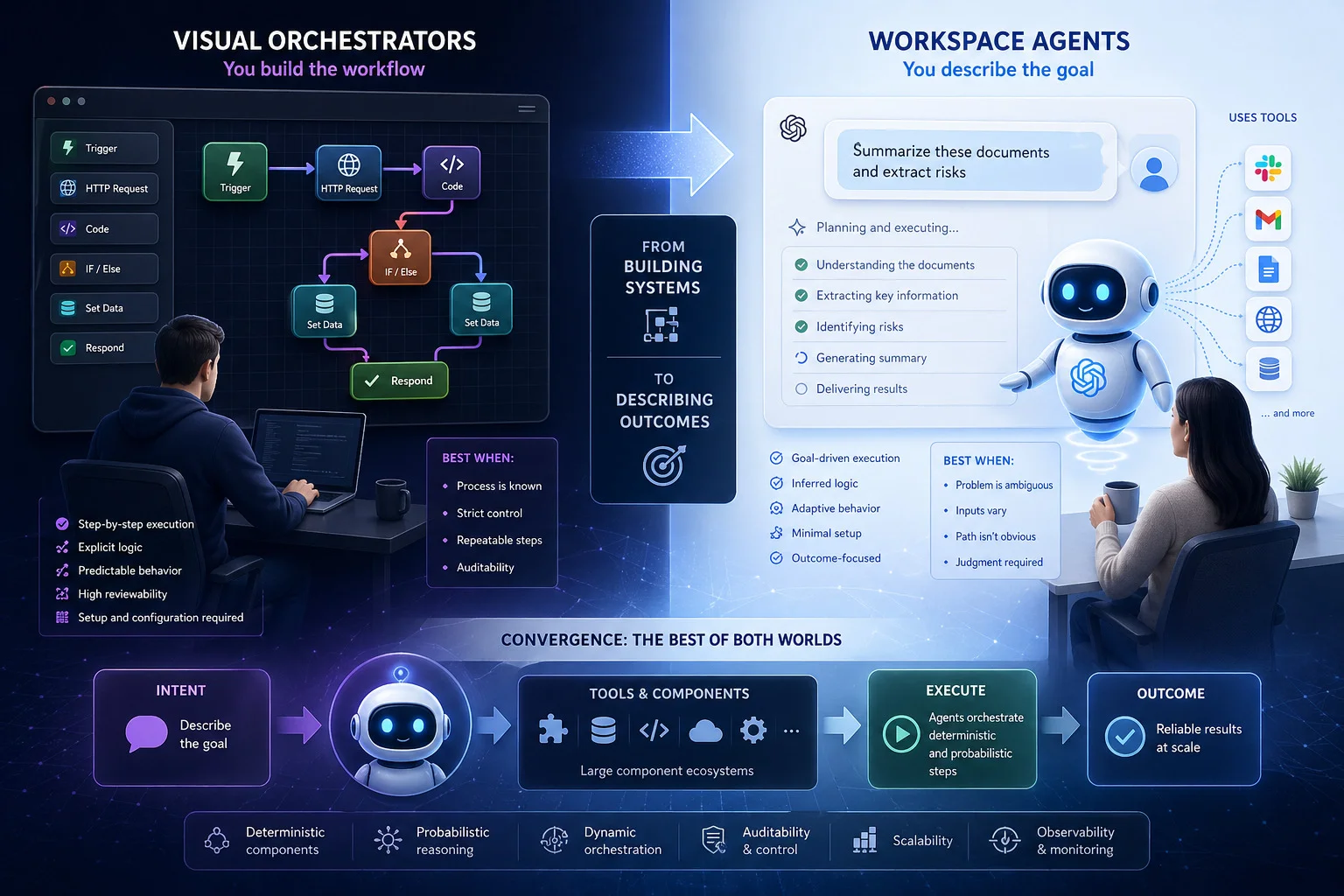
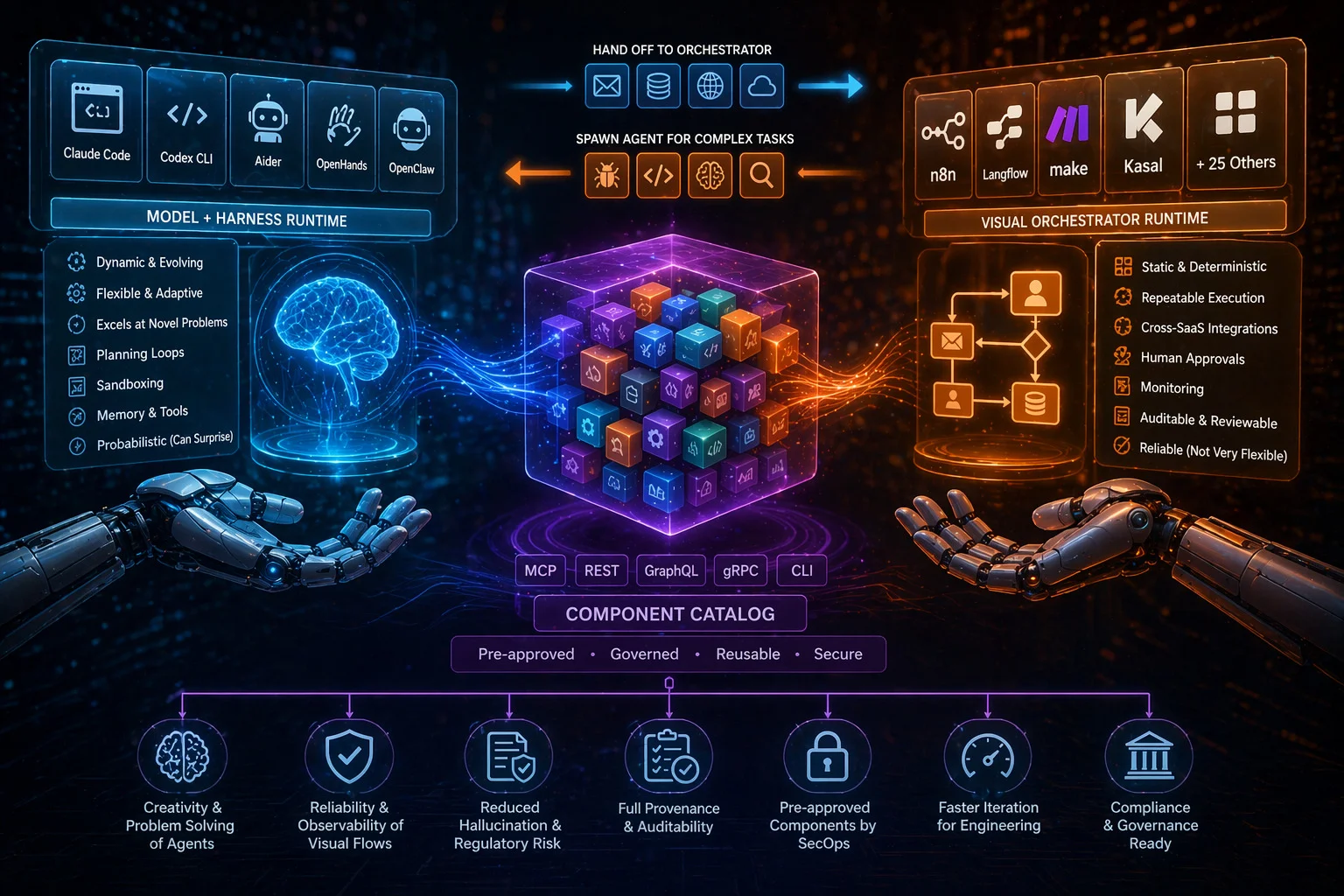
In the high energy world of modern software development, we have fallen in love with a concept called vibe coding. It feels like magic when you describe a feature to an AI and watch it spin up hundreds of lines of logic in seconds. It’s fast, exciting, almost magical, and it feels like the future. However, for those of us building systems where the stakes are measured in millions of dollars or human lives, that magic comes with some terrifying fine print.
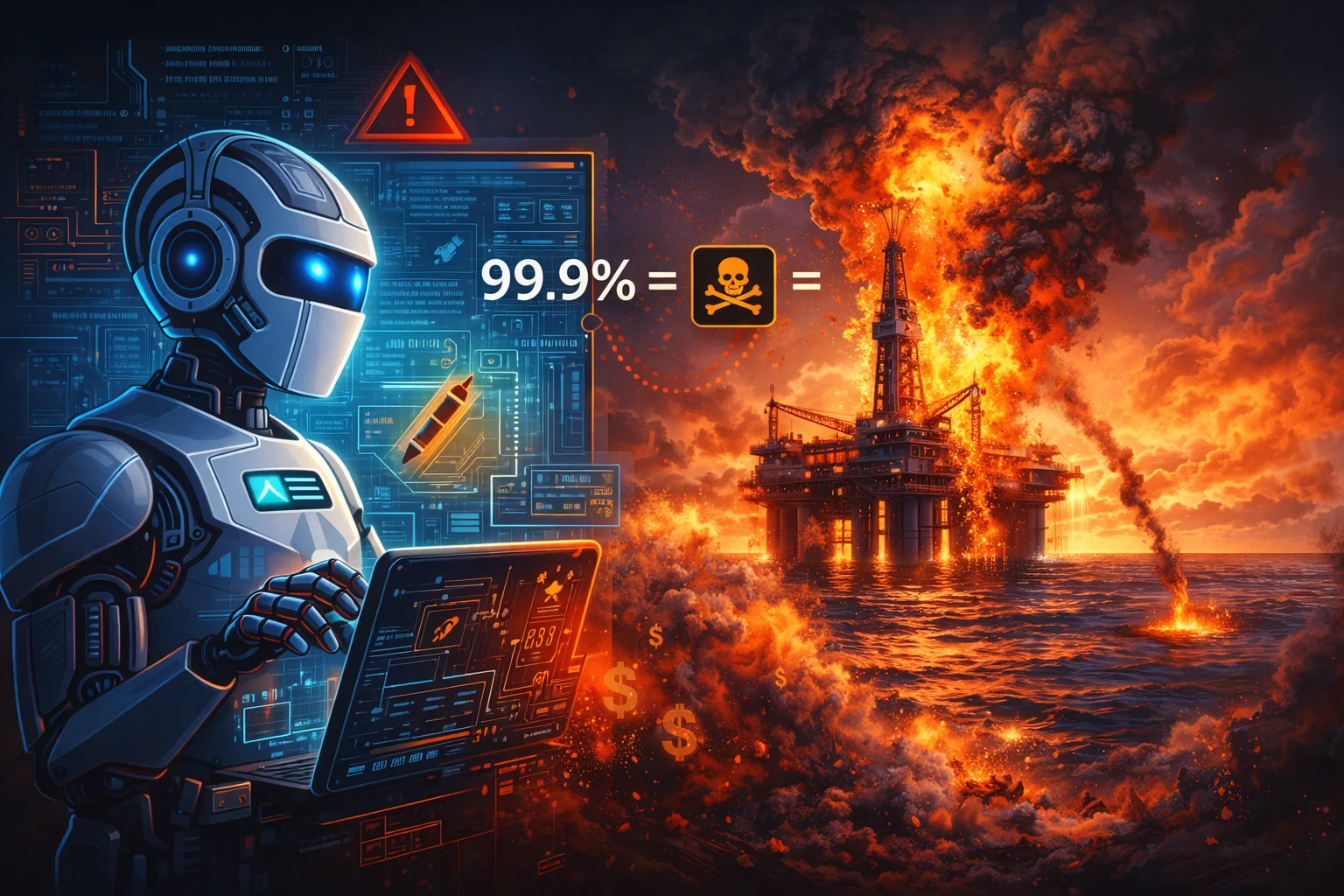
The central problem is that AI is probabilistic. It makes a highly educated guess about what the next character in a sequence should be. When that guess is ninety nine percent correct, it looks brilliant. But in a production environment, ninety nine percent correct is often a total disaster.
To understand why this matters, let us look at the world of oil and gas well design. Designing a subsea well is a monumental task involving thousands of individual decision points. Engineers must calculate specific pressures, choose precise casing weights, select cement and drilling mud grades, and plan for extreme environmental variables.
Imagine an AI assistant that is remarkably accurate. It gets it right nine hundred and ninety nine times out of a thousand. To a casual observer, that sounds like a success. But when you apply that one in a thousand error rate to a design with a thousand critical decisions, the math becomes grim. Statistically, every single well design will contain one error, and many may be catastrophic.
In this industry, a single error can lead to a blowout, an environmental disaster that ruins an ecosystem, or a loss of life that can never be rectified. You cannot run a business on a coin flip, even if the coin is heavily weighted in your favor. This is the hallucination liability. It is the gap between a tool that is helpful for a hobbyist and a system that is safe for an enterprise.
We need to shift our thinking from vibe coding to vibe assembly. Vibe coding is like asking an AI to sculpt a critical engine part out of raw clay every time you need one. It might look perfect, but you have no idea if there is a structural crack hidden inside.
Vibe assembly, on the other hand, is like building that engine with pre-approved, standardized parts that have already passed a rigorous inspection. Instead of letting the AI write raw, unvetted code from scratch, we force it to use a catalog of trusted components.
In the well design example, instead of the AI "guessing" the physics of a specific pressure valve, it would pull the "Pressure Valve Calculation" component from a library. That component has already been tested, reviewed by senior engineers, and used successfully in hundreds of other wells. The AI is still doing the heavy lifting of organizing the flow, but the building blocks themselves are deterministic. They are proven.
The future of enterprise AI is not about who has the most creative model. It is about who has the best control layer. We need systems that are more than just smart; they need to be defensible.
Vibe coding is a brilliant way to prototype, but it is a dangerous way to build a foundation. By moving toward a model of assembly using trusted components, we can finally stop guessing and start engineering. We get to keep the speed of AI while gaining the peace of mind that comes with knowing the math is right, the parts are vetted, and the system is secure. In a world where a one percent error can lead to a hundred percent disaster, determinism is the only way forward.
Like what you see? Share it with your friends.