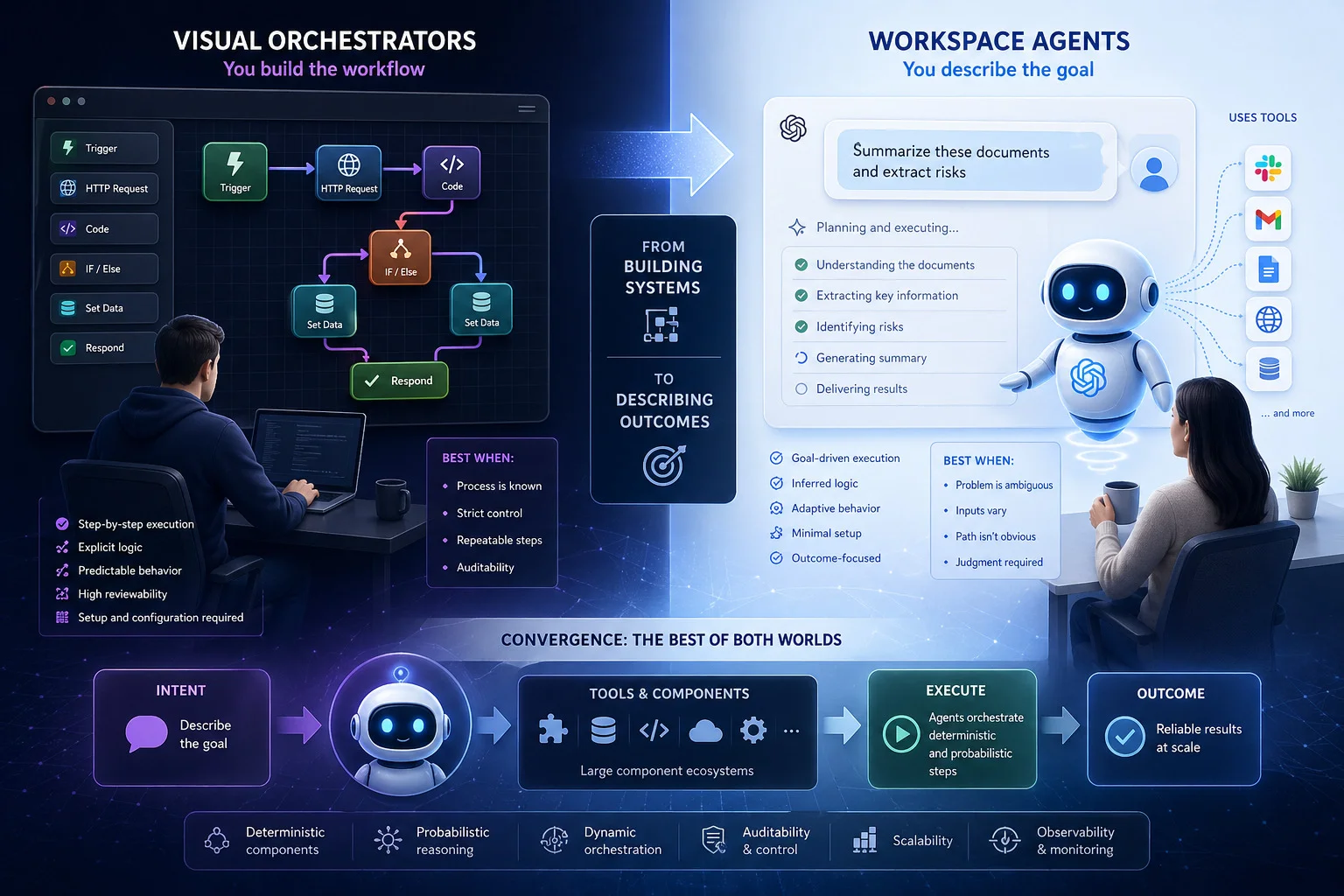
Vibe coding is the talk of the industry right now. It feels like magic to just describe a problem and watch an AI model create a solution on the fly. But for anyone sitting in a CISO office or preparing for a SOC2 audit, that magic looks like a major liability. Vibe coding is the “shadow IT” of the AI age. At the moment, enterprise users are building things their legal and SecOps teams will eventually shut down.
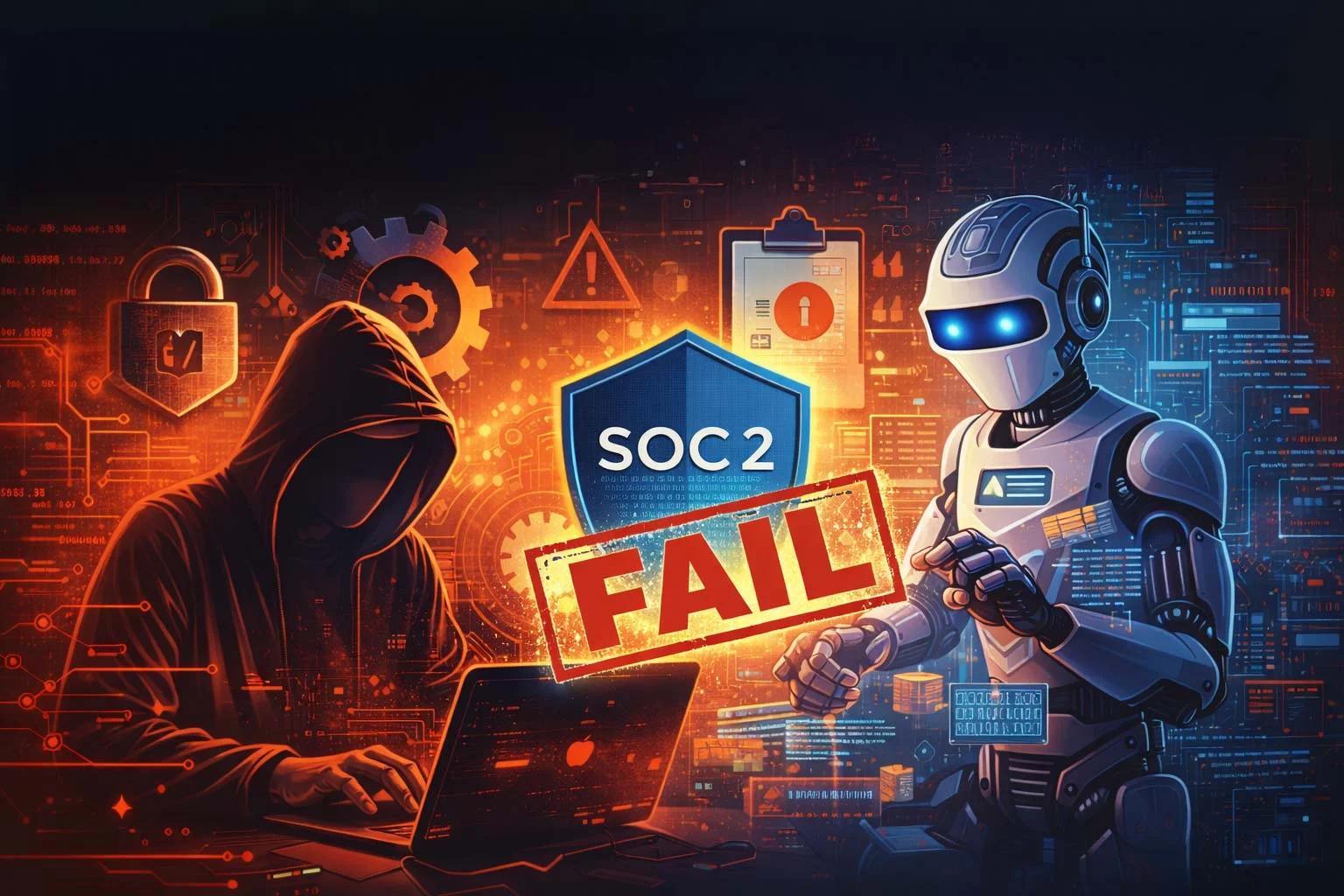
SOC2 compliance is built on three main pillars: predictability, traceability, and access control. Vibe coding, by its very nature, breaks all three.
Auditors want to see that your systems handle data the same way every single time. If your agent decides to "vibe" a slightly different approach to a data transformation because the prompt was worded differently, you have lost your baseline for processing integrity. In an audit, saying it usually works this way is essentially the same as a failure. You also cannot audit a ghost. If code is generated as a transient vibe that only exists for a moment, it has no verifiable version history or chain of custody. This is why the industry is moving toward standards like the Agent Observability Standard (AOS) to define a clear Agent Bill of Materials.
This is not a niche problem. As of early 2026, an estimated 40 to 120 million enterprise users worldwide are actively building, deploying, or interacting with AI agents. According to the McKinsey 2025 State of AI survey, 62% of organizations are already experimenting with these tools, and many are rushing toward full scale production. While platforms like Salesforce Agentforce and Microsoft Copilot Studio have lowered the barrier to entry, they have also opened the floodgates for unvetted logic to enter the business workflow. With Gartner projecting that 40% of enterprise applications will include task-specific agents by the end of this year, the number of non-compliant "vibe-coded" agents is set to skyrocket. Every time a worker prompts an agent into existence without a structured assembly, they are creating a traceability gap that makes a clean SOC2 audit practically impossible.
The bottom line is that for an agent to be production ready, it must be assembled.
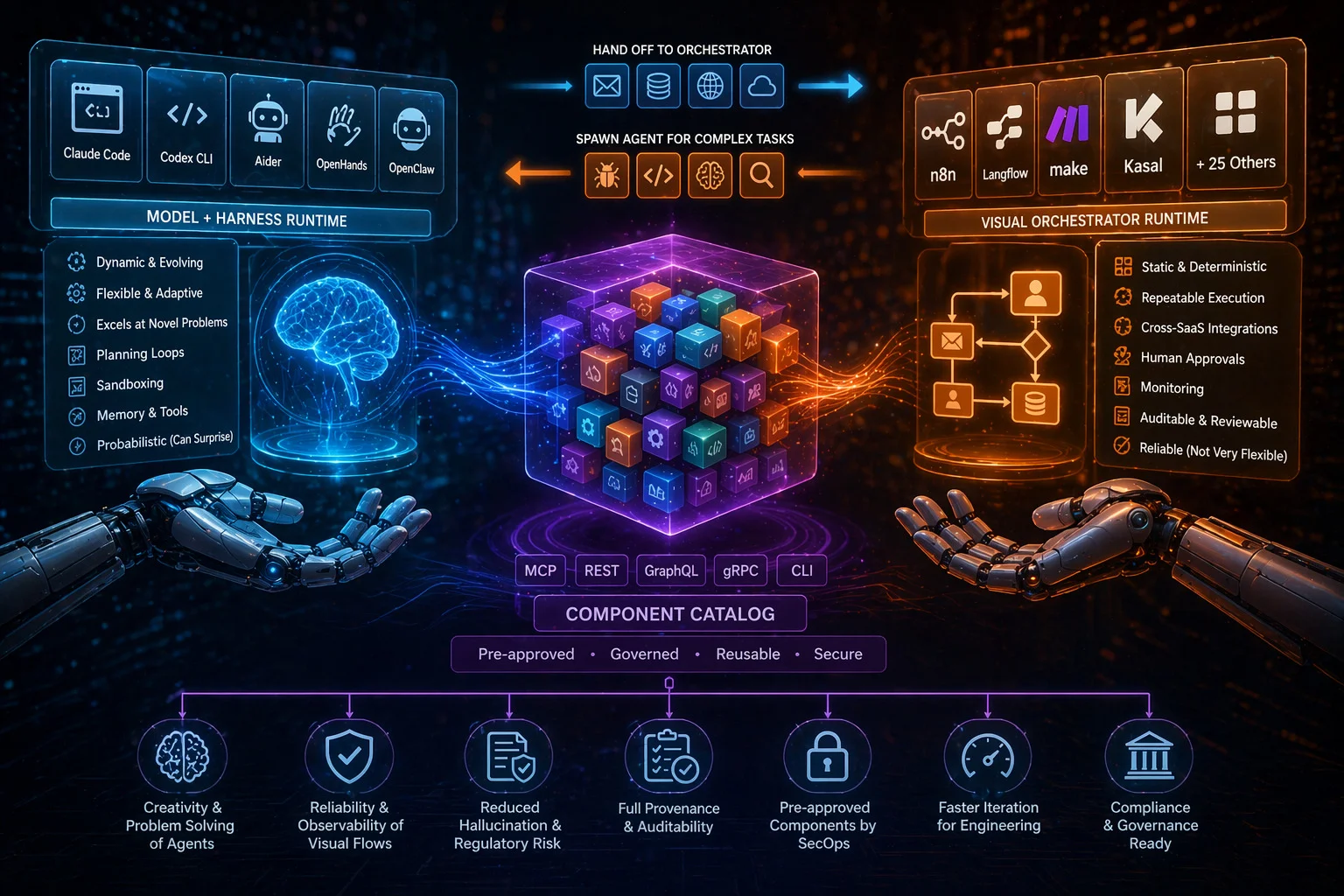
Assembly is the only realistic bridge to compliance. This means moving away from raw, dynamically generated logic and toward a modular architecture. It does not matter if these components are human assembled using an orchestrator or model assembled by a coding agent. The crucial part is that the architecture is modular. You are using discrete, identifiable blocks of code rather than a single black box of generated text. This shift allows for the adoption of emerging governance frameworks like the Agent Definition Language which map agents directly to security controls.
When you shift to an assembly model, you regain control. You can see exactly which function handled the data. Even better, you can move toward a system where every component is pre-approved before the agent ever touches it. This provides a verifiable lineage that an auditor can actually track.
Vibe coding is fine for a weekend project or a quick demo. But if you want to pass an audit, you need the accountability that only comes from agentic assembly of compliant building blocks. You can have the magic of raw AI, or you can have a SOC2 certification. Right now, you simply cannot have both.
Like what you see? Share it with your friends.