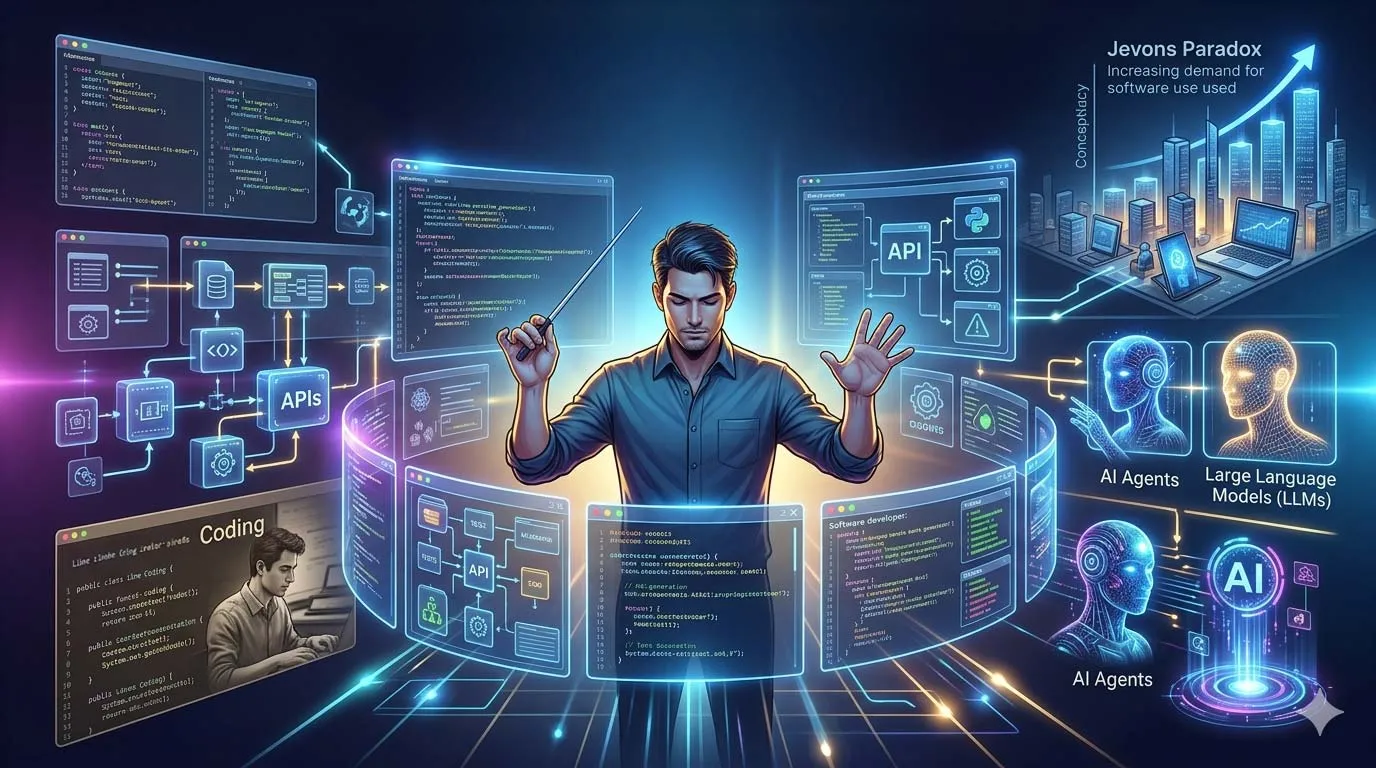
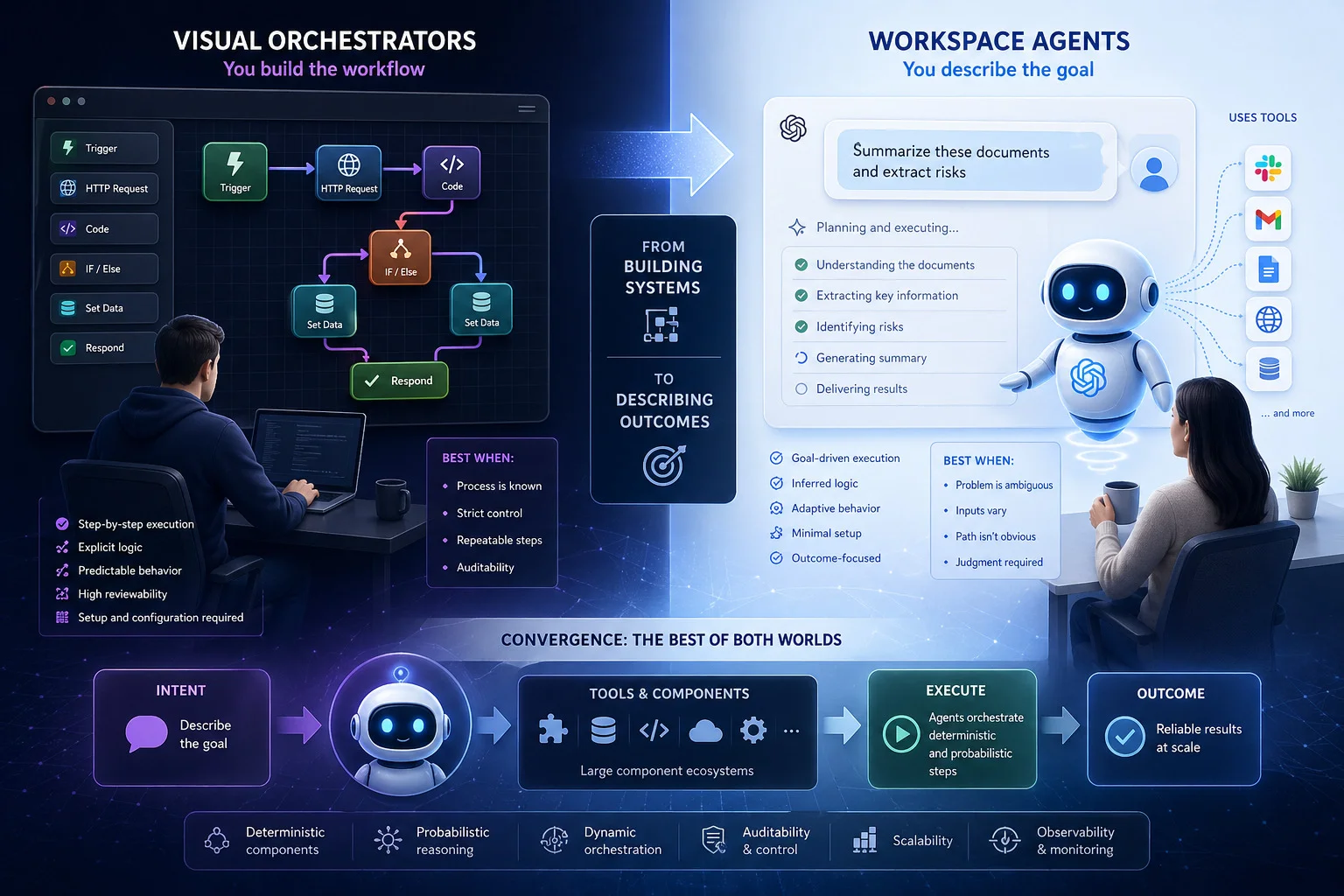
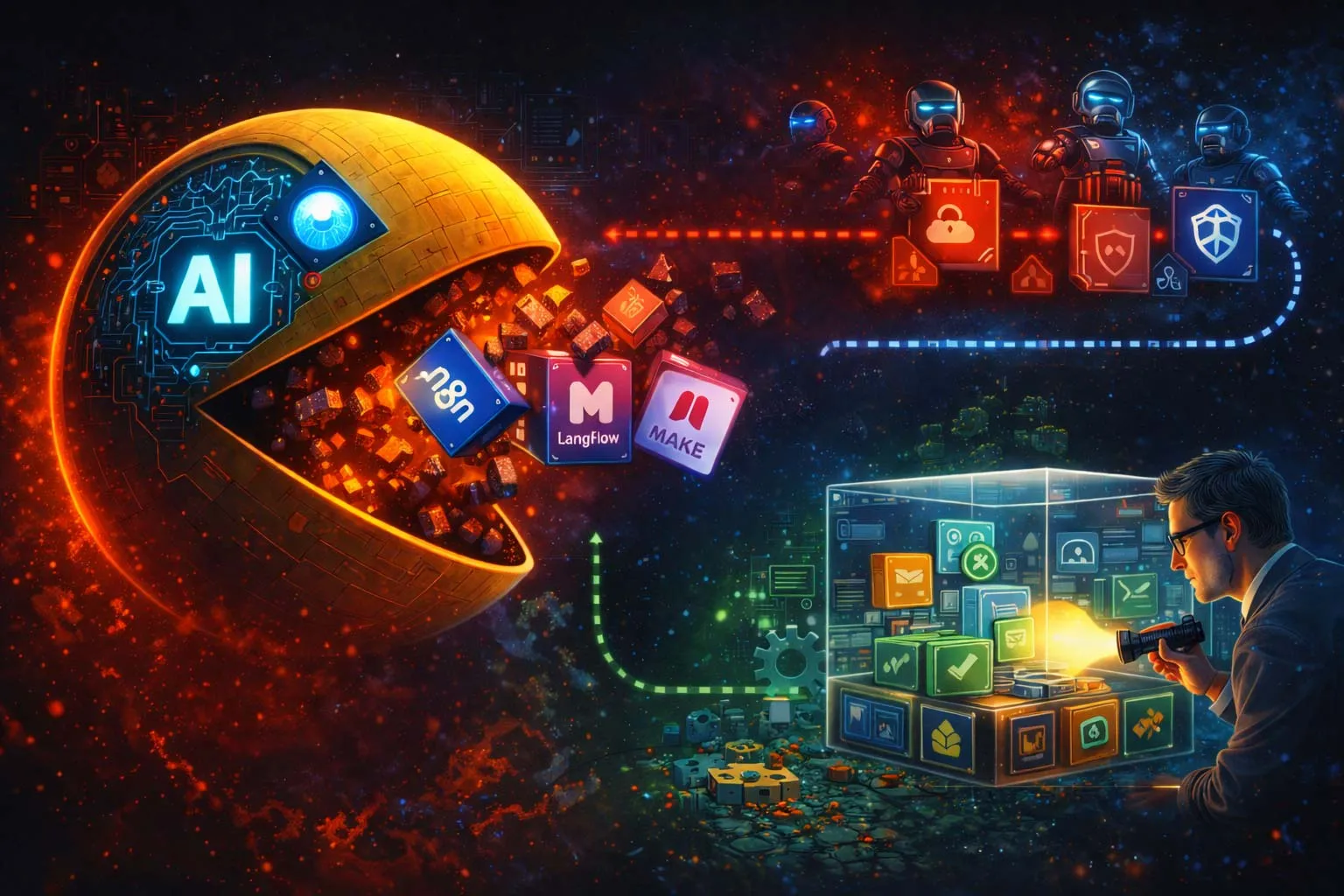
Most people still think of AI agents as a single thing. They are not. In 2026 we have two distinct agentic run-times that serve very different purposes. While they represent competing approaches, in practice they often complement each other. This harkens back to Ray Noorda (co-founder of Novell) who used the term “Coopetition” to explain how technologies could both compete and cooperate to solve problems in heterogeneous enterprise environments. So, let’s look at these two approaches.
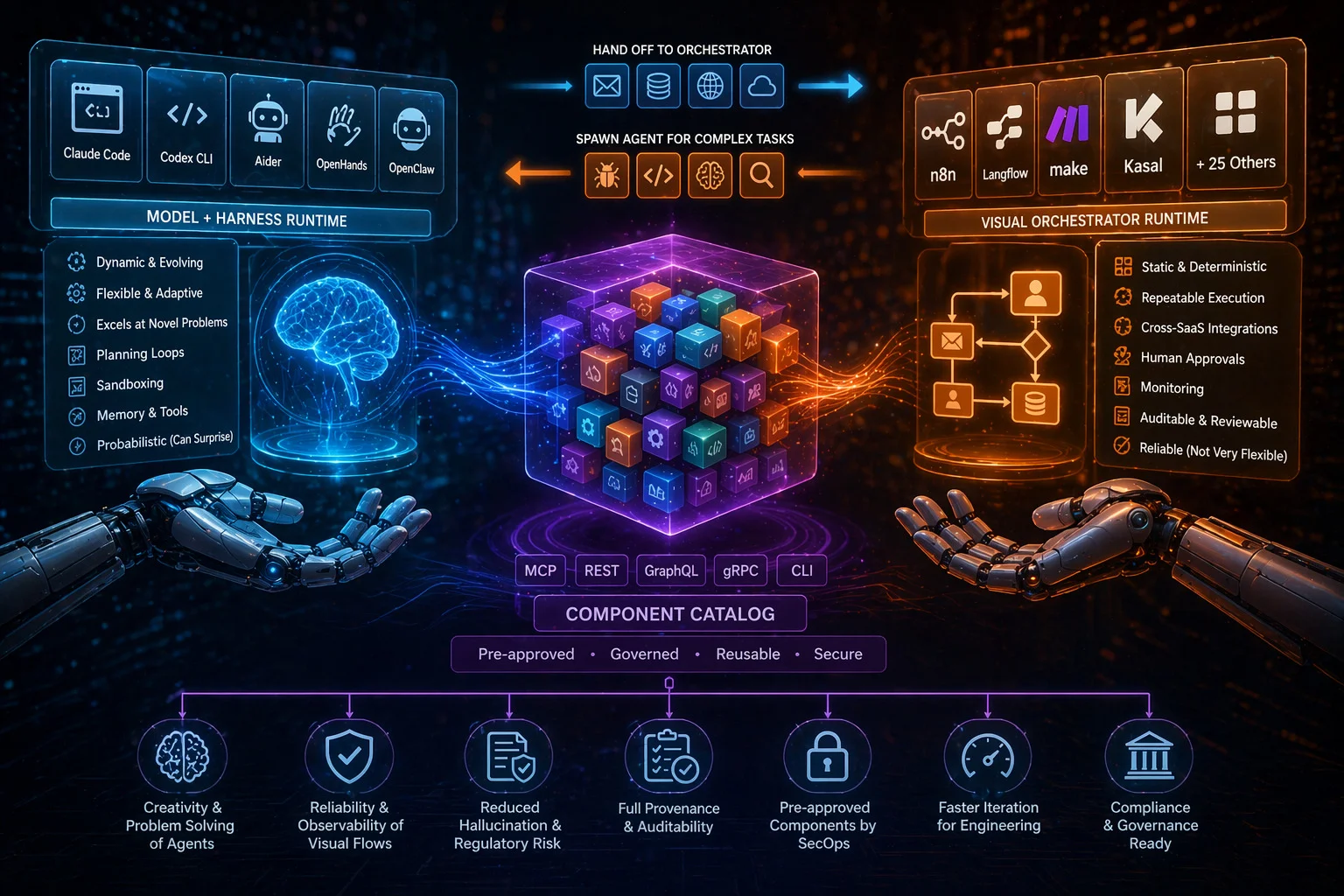
The first is the model-plus-harness run-time. This is the dynamic, evolving side. Claude Code, Codex CLI, Aider, OpenHands and the growing family of autonomous coding agents like OpenClaw and Hermes all live here. The model brings intelligence, flexibility, and creativity. The harness provides the execution environment: tools, memory, planning loops, sandboxing, and verification. This combination excels at novel problems, architectural decisions, and long-running, adaptive work. It is probabilistic by nature. It can surprise you, both in good ways and bad.
The second is the visual orchestrator run-time. Tools like n8n, Langflow, Make.com, Kasal, about 25 others belong here. These are built for more deterministic, repeatable execution. You design the flow once, and it runs the same way every time. They shine at cross-SaaS integrations, human approvals, monitoring, and business processes that must be reviewable and auditable. They are static by design. Reliable, but not very flexible when requirements change.
Both are legitimate run-times that serve different purposes and use cases. One is optimized for intelligence and adaptability. The other is optimized for reliability and control. Neither is inherently better. They simply solve different classes of problems.
In practice, the clean separation is already breaking down. Most serious deployments today are blended.
A coding harness might handle the hard thinking and code generation, then hand off to a visual orchestrator for the reliable parts: sending notifications, updating CRMs, triggering deployments, or routing approvals. Conversely, a visual orchestrator might detect an event and spin up a coding agent to investigate a bug, propose a fix, or handle an edge case that the static flow cannot manage.
There is some blending, because some harness-based solutions actually leverage LangGraph as the runtime. It provides dynamic, model-driven orchestration while still allowing visual design and monitoring. The harness and the visual orchestrator are no longer separate tools. They become two faces of the same system. The technical blending may presage organizational blending (acquisition), we’ll see, but there is a definite movement toward the middle to provide a complete solution.
The real shift toward the middle is happening because of large, governed component catalogs.
When agents and orchestrators can both draw from the same rich library of pre-approved, deterministic building blocks, something interesting occurs.
On the visual orchestrator side, the system becomes more flexible. Instead of being limited to a small set of generic nodes, it can now handle long-tail use cases by composing specialized components. What used to require custom scripting or human intervention can now be assembled from trusted pieces.
On the model-plus-harness side, the system becomes more deterministic. The model is no longer inventing everything from scratch. It is selecting, configuring, and composing known, tested components. Hallucinations drop. Auditability improves. Security teams can review and whitelist components once, and every agent and every flow that uses them inherits the same governance.
This is the pattern ComponentFactory.ai and similar platforms are enabling. The same components are exposed through MCP and CLI for coding agents, and as native nodes for visual orchestrators. Companies maintain one approved catalog. Both run-times consume from it. The result is a system that is simultaneously more intelligent and more controlled.
Pure model-plus-harness systems have been difficult to bring into regulated environments. The output is too unpredictable. Pure visual orchestrators have been too rigid for anything beyond well-understood processes. The blended, component-rich approach solves both problems at once.
You get the creativity and problem-solving power of agents without the liability and compliance nightmares. You get the reliability and observability of visual flows without sacrificing the ability to handle novel or complex work. SecOps can pre-approve components. Compliance teams get full provenance. Legal gets reduced hallucination and regulatory risk. Engineering gets faster iteration.
It is not the old world of static flows. It is not the wild west of fully autonomous agents. It is something more balanced, more practical, and ultimately more powerful.
The companies that embrace this middle path, with rich component catalogs feeding both run-times, will be the ones that actually ship production-grade agentic systems at scale. Everyone else will keep oscillating between the two extremes, wondering why enterprises find it difficult to embrace their partial solutions.
Like what you see? Share it with your friends.