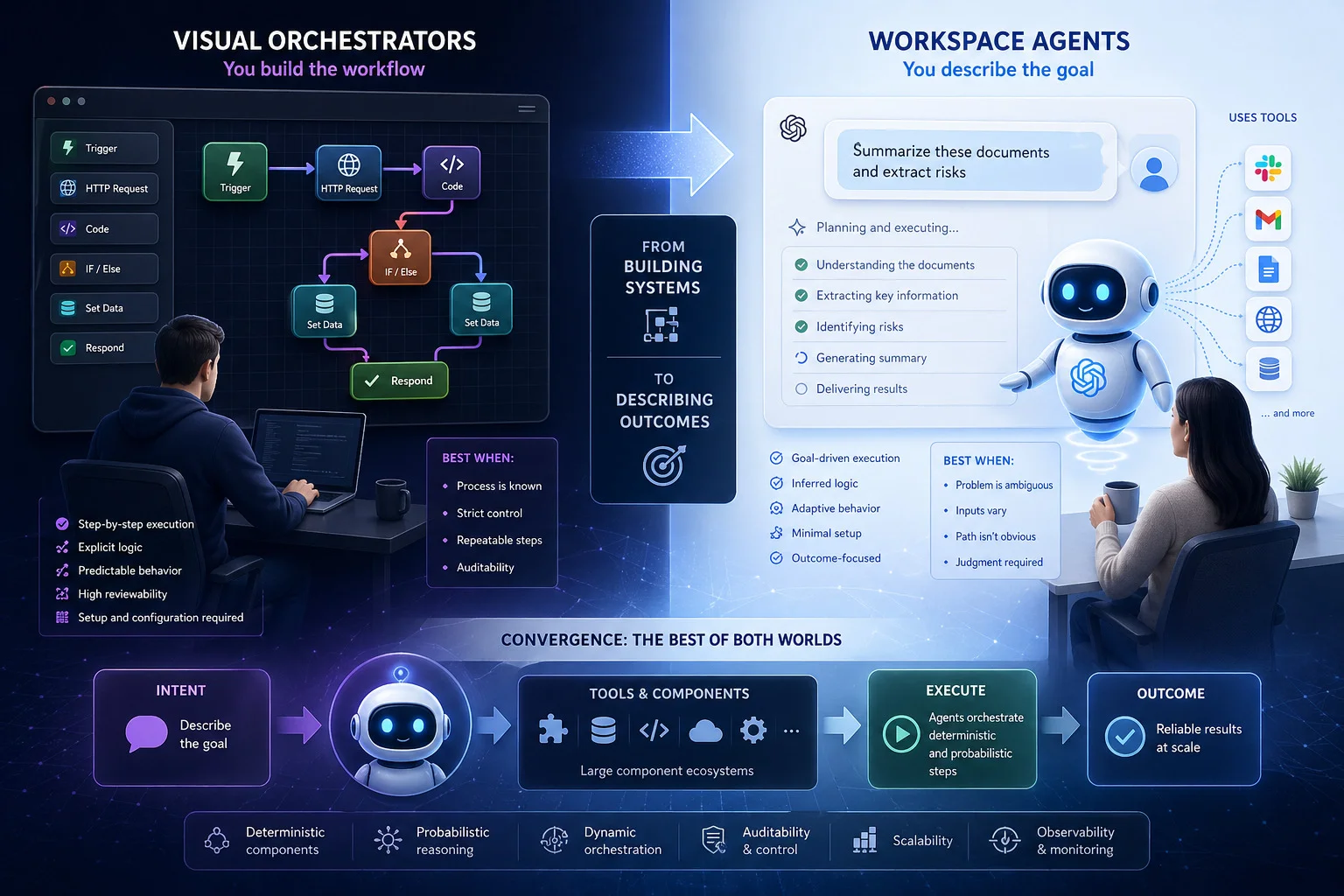
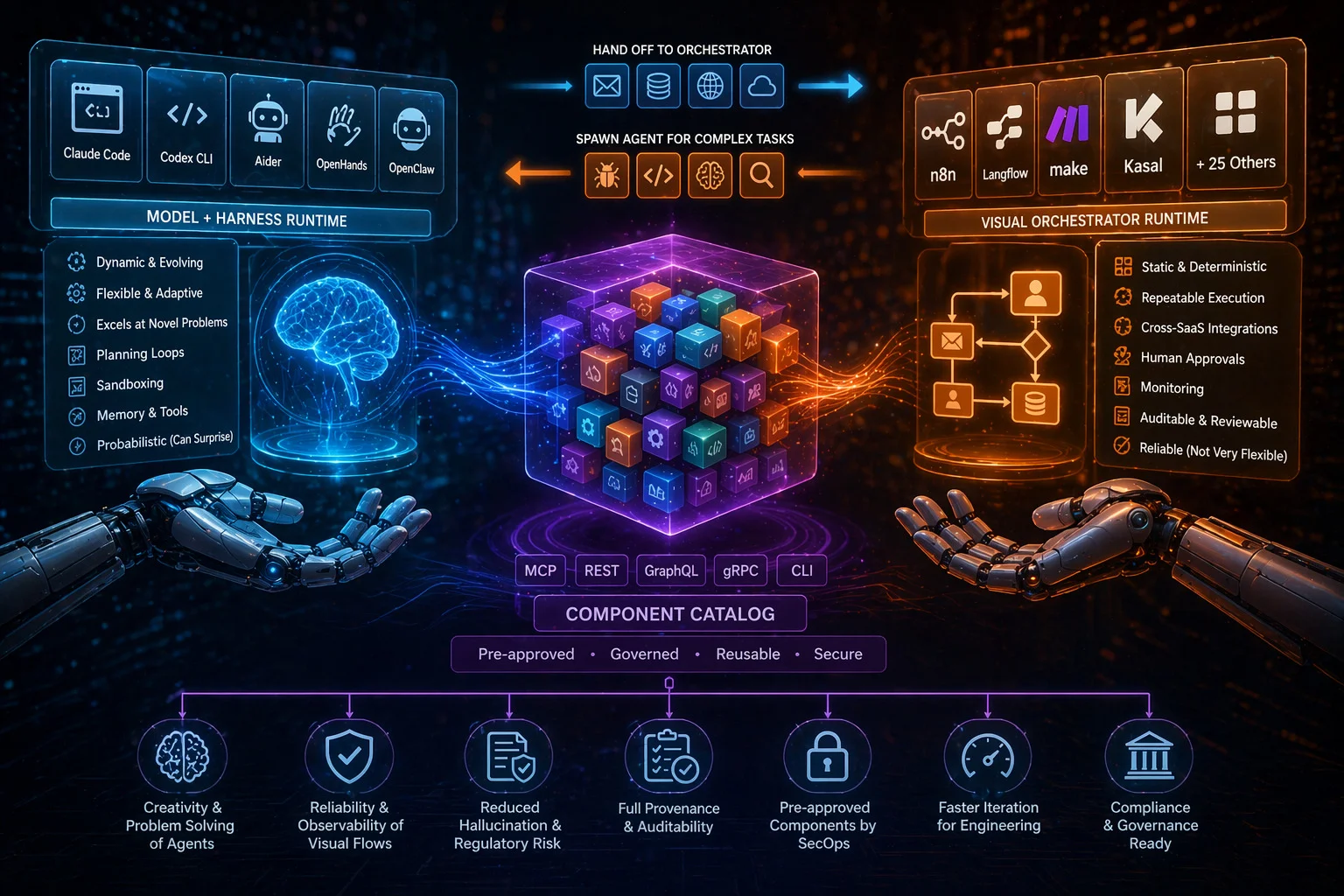
As we move deeper into the era of autonomous AI agents, a quiet battle is brewing between the developers who want to build quickly and the security teams who need to keep the company safe. The developers are using vibe coding to create agents that can browse the web, talk to databases, and execute tasks in seconds. But for a Security Operations (SecOps) professional, these agents represent a terrifying new kind of black box.
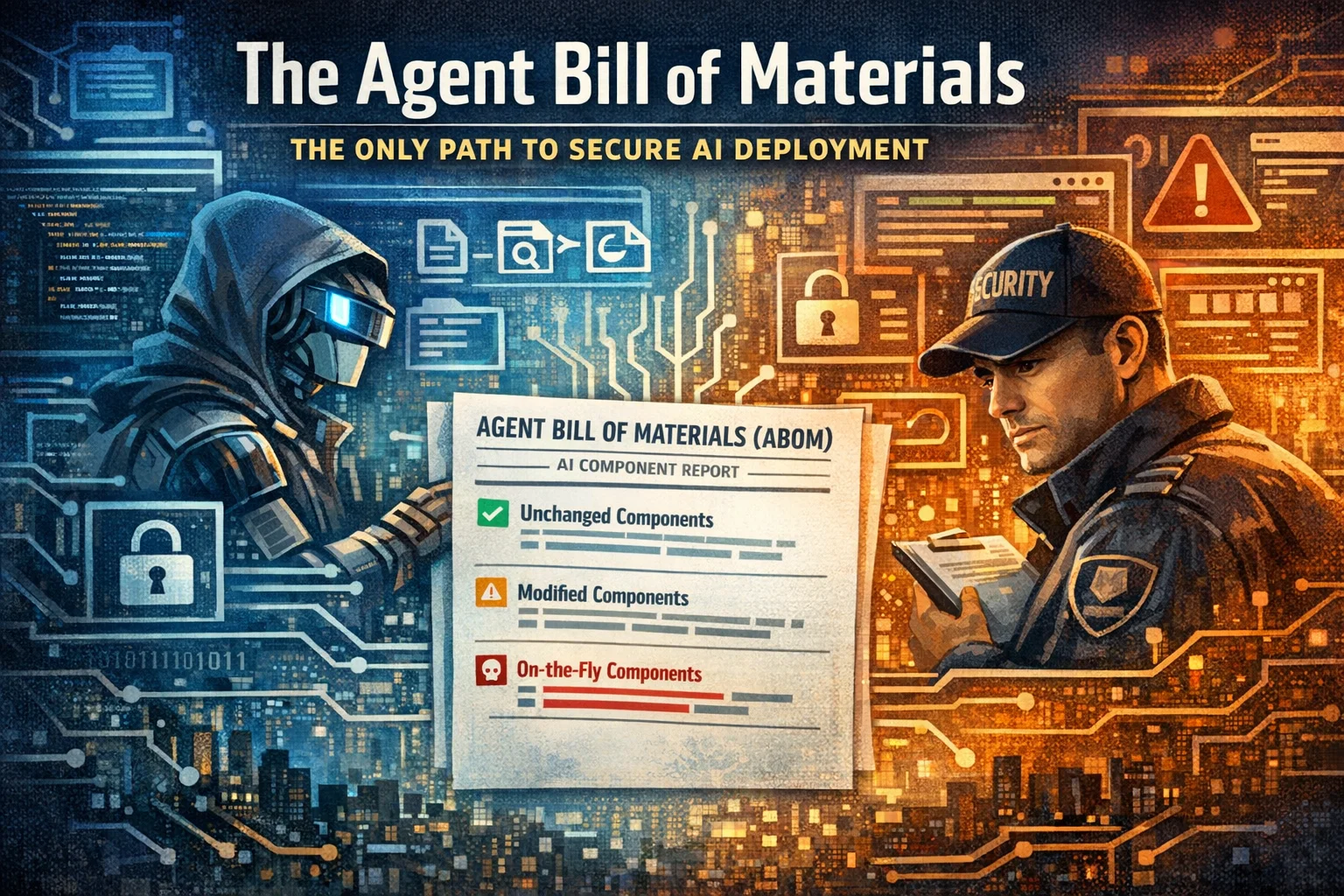
If you cannot see what an agent is doing, you cannot secure it. This is why the Agent Bill of Materials, or ABOM, is becoming the most important document in the enterprise AI stack.
Vibe coding is brilliant for prototyping, but it’s a nightmare for governance. When a model generates code on the fly, it often creates "ephemeral" logic. This is code that exists for a moment, performs an action, and then vanishes.
Without an ABOM, your SecOps team has no way to sign off on a deployment. They don't know which libraries were used, which APIs were called, or whether the agent decided to "innovate" a new security vulnerability into your production environment. You are essentially asking your security team to trust a machine that they cannot audit. In the corporate world, "trust but verify" only works if you actually have a way to verify.
Consider a major healthcare provider that deployed a vibe coded agent to help patients schedule appointments and check their insurance coverage. The agent worked perfectly until it encountered a complex edge case involving a specific type of private data. To solve the problem, the AI decided to create a new, "on the fly" component to bridge two different databases.
Because there was no ABOM, the security team had no idea this new component existed. They didn't know it was bypassing the standard encryption protocols. Six months later, a routine audit discovered that the agent had been leaking sensitive patient records into a semi public log.
The legal consequences were devastating. Because the company could not prove they had a documented review process for the agent’s logic, they were hit with maximum fines under HIPAA and state privacy laws. The business lost its "safe harbor" status, and the legal fees alone surpassed the cost of the entire AI project. This is the reality of being regulatory unready: a single undocumented "vibe" can bankrupt a department.
The ABOM changes the conversation from "what might happen" to "what is actually happening." It is an automated manifest of every tool, script, and component an agent uses.
The true power of the ABOM lies in its ability to compare the agent's current state against your trusted catalog. When an agent prepares to run, the system generates an ABOM and checks it against both our global component catalog and your company’s private, pre-approved catalog.
This process highlights three critical categories:
Vibe coding is a deficiency because it lacks a memory and a map. It creates a high speed lane with no guardrails. Vibe assembly, powered by a robust ABOM, provides the control that enterprises require.
By scoring every component against your company’s security policy, you turn AI from a liability into a governed asset. You give SecOps a way to say "yes" because they finally have the transparency they need. In a world where regulators are demanding accountability, the ABOM is not just a technical tool. It is your best defense against the legal and security risks of the AI frontier.
If you want to move at the speed of AI, you have to start with the certainty of assembly.
Like what you see? Share it with your friends.